
Plan for active demand in each space. Room count, an ISP speed and the number of access points are not interchangeable capacity measures.
Begin with simultaneous activity
Occupancy tells only part of the story. A room can contain several connected devices, but those devices do not all generate the same traffic at the same moment. A conference can concentrate demand into a small space even when room occupancy is modest. Build a usage picture before assigning a bandwidth figure.
List the places people connect and the applications that matter there: video calls in bedrooms, browsing in the lobby, presentations in meeting rooms and ordinary visitor use. Include expected peaks rather than sizing everything from a quiet afternoon observation.
Use an example as a conversation, not a promise
Consider a hypothetical 100-room property at 80% occupancy, with two guests per occupied room and two connected devices per guest. That gives 320 associated devices before public areas. If, purely for this example, one quarter are actively transferring data at an assumed average of 3 Mbps, the arithmetic gives 240 Mbps of active demand.
Those assumptions are not a recommended hotel specification. Guest behaviour, application bursts, uploads, events and network overhead change the result. Measure the property, test the assumptions and decide what headroom is justified. A numerical example is useful only when its limits are explicit.
Check the local network as well as the circuit
Internet bandwidth, radio airtime, channel planning, interference and wired uplinks can each limit performance. Adding an access point without checking placement and configuration can create new problems. An upgrade should follow a site-specific survey and a capacity design, especially for dense meeting spaces.
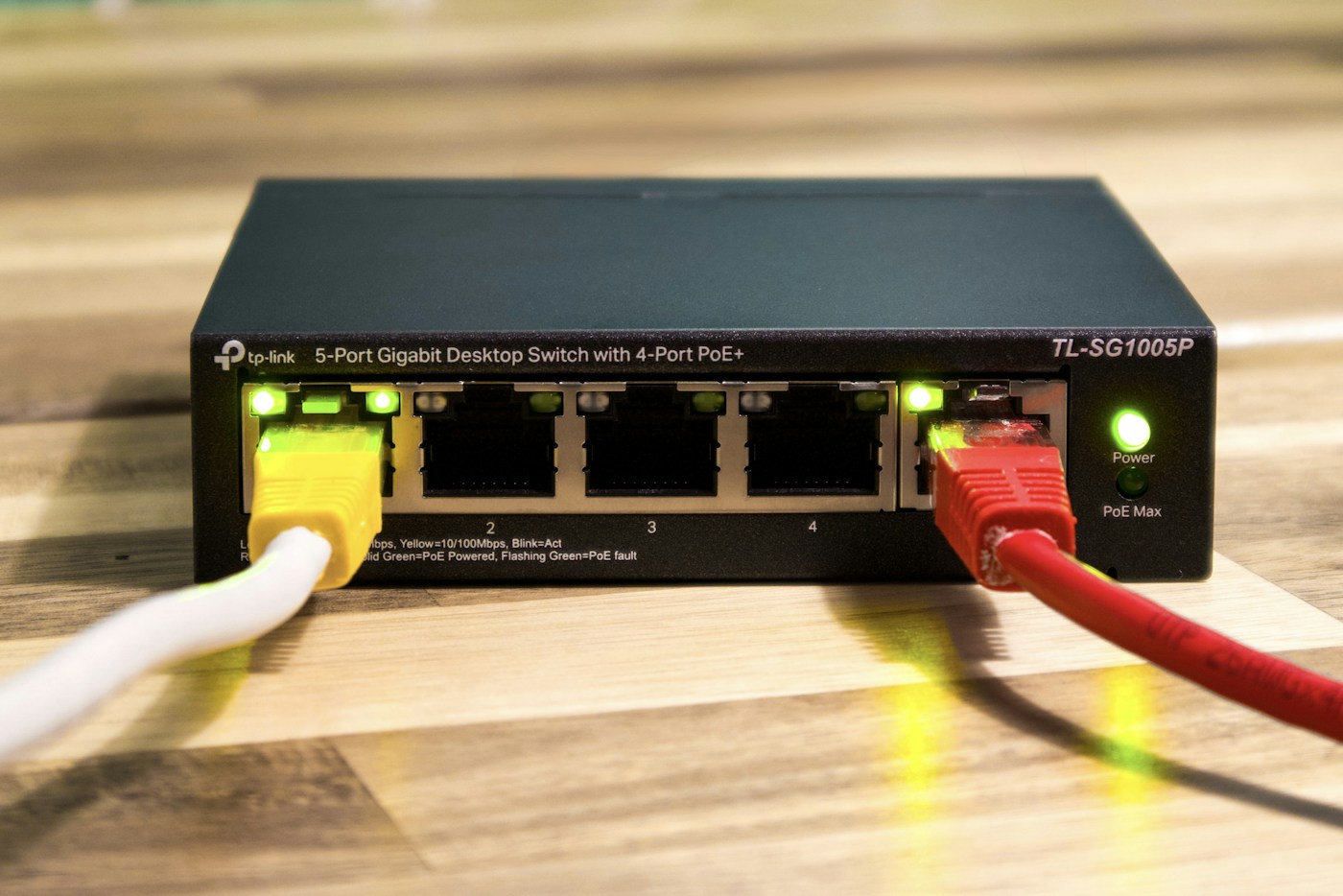
Inspect practical dependencies: cable quality, switch ports, uplink capacity, access-point power and the route back to the gateway. Validate a room with the door closed and test the busiest venue with a realistic device mix. Do not infer complete coverage from a lobby speed test.
Translate service expectations into plans
Access plans describe the intended policy for a guest or group; they do not create additional upstream capacity. Decide upload and download limits, validity and permitted simultaneous use in the context of the available network. Review whether a setting makes the essential guest applications usable.
AirSpot plans support configured speed, validity and simultaneous-use controls. That helps organize access policy, while coverage engineering and circuit sizing remain separate responsibilities. Demonstrate the plan on the deployed network before promising a particular experience.
Agree how capacity will be reviewed
After launch, examine busy-period demand, recurring slow areas and guest complaints. Compare an event day with an ordinary day. Agree which signals trigger a review and who can approve tuning, extra infrastructure or a circuit change.
For a managed WiFi discussion, bring floor plans, room and venue counts, the current ISP service, equipment inventory and usage observations. These inputs support an engineering conversation without pretending that every hotel needs the same package.
Your next-step checklist
- Expected concurrent activity by space
- Room and event demand separately
- Coverage and wired-path survey
- Clear assumptions behind calculations
- Busy-period pilot and review plan